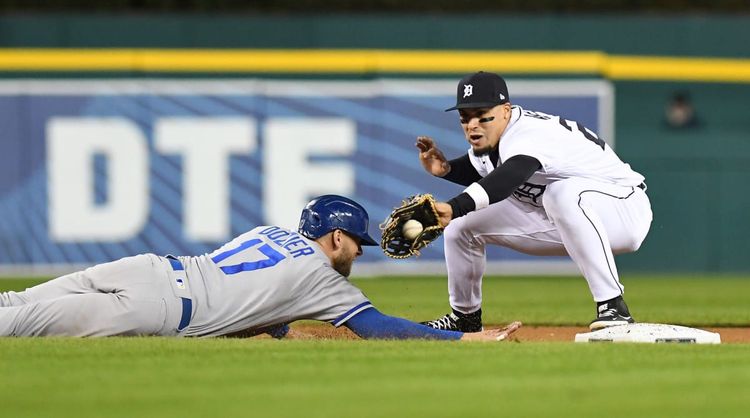
2nd Base Picks: The Inside Move - How and When to Run It
How to run an inside move and what you're trying to accomplish with it. Also, the mechanics of the play that you NEED to know.
 By
Kevin Rojko
By
Kevin Rojko
How to run an inside move and what you're trying to accomplish with it. Also, the mechanics of the play that you NEED to know.
By
Kevin Rojko
We've all heard coaches yell "no doubles!" from the dugout. Did the players move or stand like statues because they're not sure where to go? No doubles defense and other standard defensive positioning explained.
By
Kevin Rojko
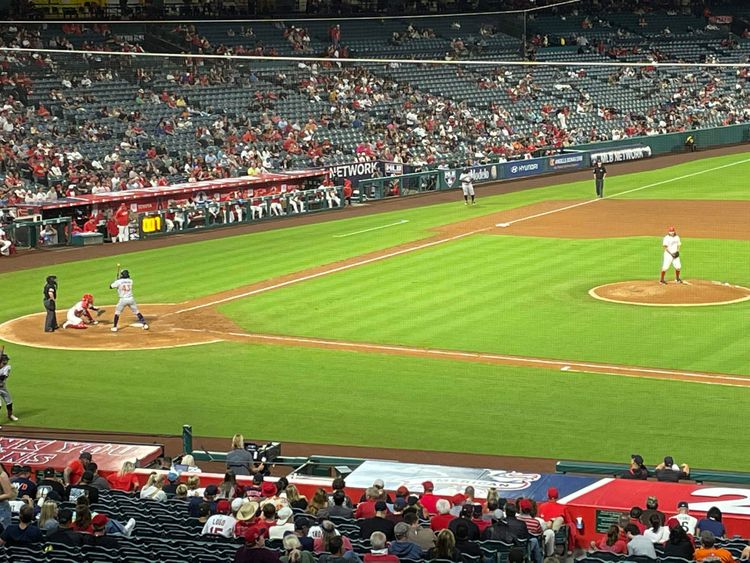
Hitters probably left the yard pretty frustrated Wednesday afternoon. It's hard to get a hit in the big leagues. Takeaways and lessons from the Twins @ Angels game on 9/10/25.
By
Kevin Rojko
Everyone wants to throw hard. How Kyle Hendricks threw 7 shutout innings without topping 88 mph and other lessons from Tuesday's game between the Twins and Angels.
By
Kevin Rojko
Runner on 3rd, less than two outs doesn't always mean bringing the infield in. The score, the inning, your team's offense, and much more can determine whether your infield should be in or back.
By
Kevin Rojko
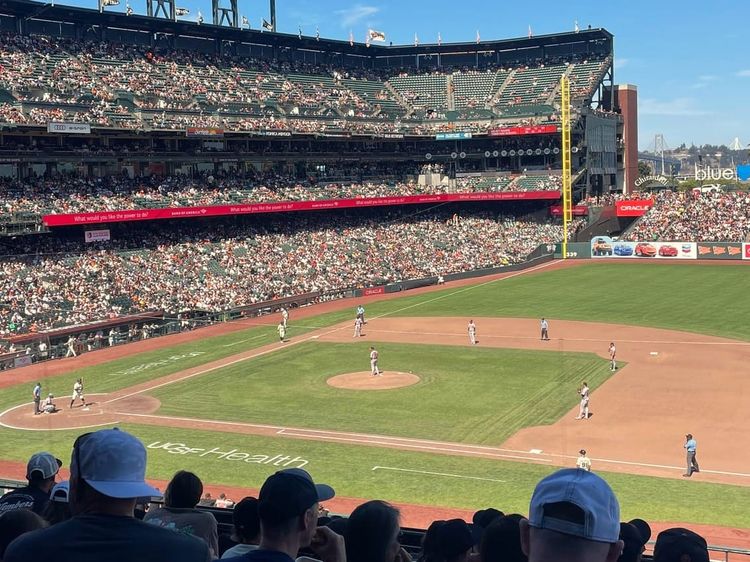
Takeaways from the Giants-Orioles game on Sunday, August 31. Giants won 13-2, but there was still some IQ things and practice habits we can learn from.
By
Kevin Rojko
Get him over, GET HIM IN! Breaking down the approach you should have with a runner on 3rd and less than two outs. Remember, "the money lies in the RBI." - Jeff Kent
By
Kevin Rojko
I always get asked what to do in this scenario when I'm coaching 3rd base. 1st and 3rd, one out groundballs broken down.
By
Kevin Rojko
Baserunner responsibilities and mechanics for running the contact play. Also a broken down decision tree for what to do based on a few variables.
By
Kevin Rojko